
Canada does not have a single stadium that would be suitable for an NFL franchise.
Canada does, however, have four stadiums that are not too unsuitable: Montreal’s Olympic Stadium, Edmonton’s Commonwealth Stadium, Vancouver’s BC Place, and Toronto’s Rogers Centre.
Instead of a city like Toronto spending $1 billion or so on a new stadium in order to get an NFL team of its own, Canada should aim for an NFL team that splits its eight home games per season between four existing stadiums in Toronto, Montreal, Vancouver, and Edmonton. The team – the Canada Moose? – would play in Montreal and Edmonton during September and October, then in Toronto and Vancouver during November and December.
Montreal’s stadium can seat 66,000 people, but cannot be used in the winter. Edmonton’s can sit 56,000 people, but cannot easily be used in the winter either. Vancouver’s can sit 54,500 people, plus it has a retractable roof (and a much warmer climate) that allows for winter use. Toronto’s can only sit 49,000 people, but also has a retractable roof. No other stadiums in Canada are close to as big as these. The next largest, in Calgary, seats 36,000 people.
By way of comparison, the average NFL stadium can sit 69,500 people. Unlike in Montreal, Toronto, or Vancouver, most NFL stadiums were purpose-built for football. Still, this should not necessarily be a deal-breaker for Canada, because the NFL does not actually derive a large share of its revenues from ticket sales. Rather, revenues come from TV (and increasingly, Internet) deals and merchandising — which could make a Canadian franchise profitable, as it might have one of the biggest markets in the entire league.
What about playoff home games, where would they be played? Well, to begin with, no team ever plays more than 2 home playoff games per year, so the lack of a good-quality playoff stadium is probably not as big a problem as one might think. (Canada’s current favourite team, the Bills, have not played a single home playoff game in the past 24 years). When a home playoff game does need to be played, some or all of the following options could work:
- Get Montreal to shell out the estimated $200 million needed to repair its retractable roof, thus allowing it to host some playoff games. There are already plans for such repairs to take place in advance of the FIFA World Cup in 2026
- Make the venue conditional on the opponent. If playing a home game against Seattle, for example, play in Vancouver. If playing against Buffalo or Detroit, play in Toronto. If playing against New England, play in Montreal (if Montreal has fixed its roof).
- Play a Superbowl-style Conference Final: if Canada’s team makes it to the semi-finals with home field advantage, play the game in a massive college football venue like Ben Hill Griffin Stadium (home of the Florida Gators; capacity 88,500), to which Canadian snowbirds could flock in January. Give all Canadian citizens first dibs on tickets.
Of course, the idea of a pan-Canadian team is not without risk. Such a team might have difficulty attracting good players. Canadian patriotism might not be sufficient to win new fans to the sport. It might just be too weird to have American cities competing against an entire country (although that has not limited the Raptors’ or Blue Jays’ aggressively national marketing strategies). Combined with the lack of a good stadium, these risks are not insignificant.
On the other hand, look at the possible rewards. You get a huge market in Canada, no wasting taxpayer dollars on a new football stadium, and no direct competition with the CFL or other pro sports franchises. The NFL also gains a lot of flexibility in scheduling, since it can have west coast matchups played in Vancouver or Edmonton and east coast matchups in Toronto or Montreal.
It would also create great local matchups. Canadian games against Seattle, Buffalo, Detroit, Cleveland, and New England would be especially fun. So would Canadian games in snowbird states like Florida, Arizona, Nevada, or California around Christmas-time. Even isolated cities like Green Bay, Minneapolis, Denver, and Kansas City would be able to pull in some tailgaters from the Prairie provinces.
I think the rewards outweigh the risks. For Canada to get an NFL team, without having to build any huge new football stadiums, would be as good as Thanksgiving coming twice a year.


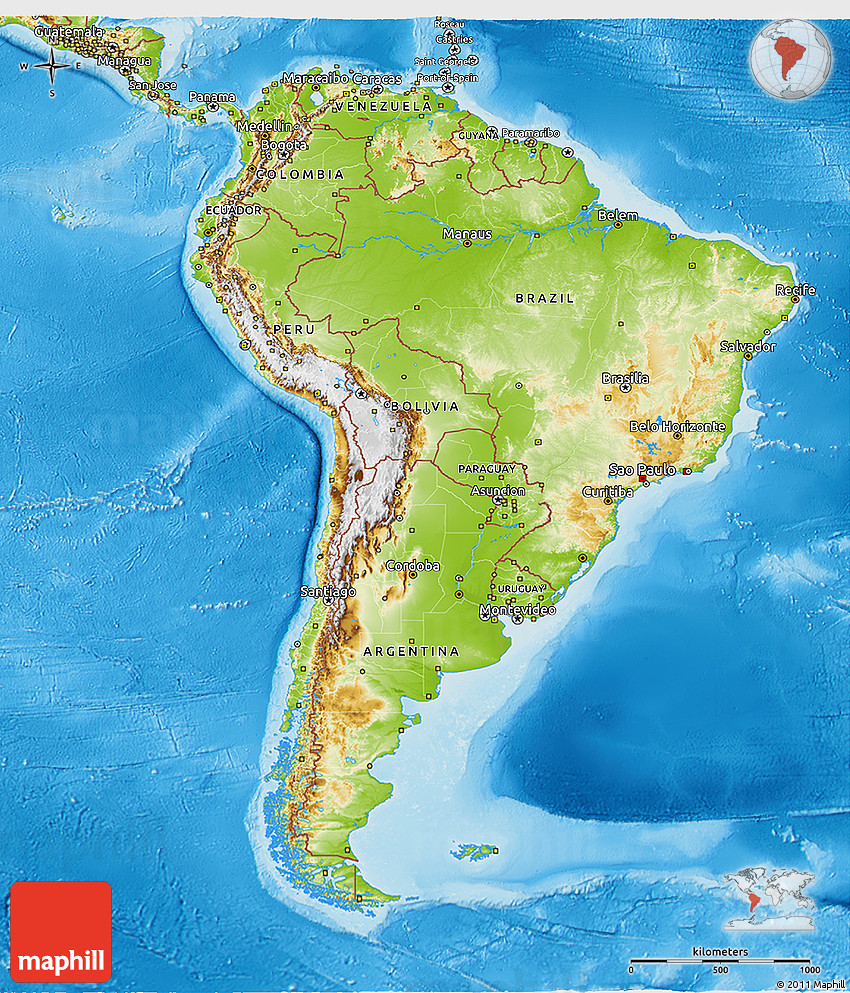
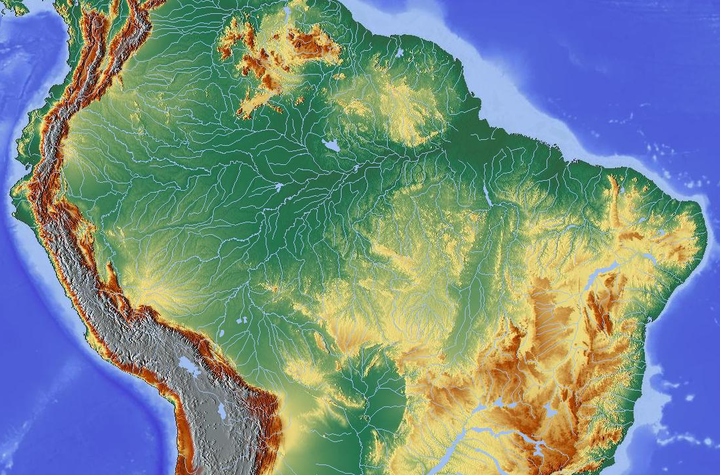
 We should also not overlook the possibility of a similar economic integration between two large countries that are separated by the world’s other great mountain range, the Andes, namely Chile and Argentina. Unlike China and India, these two nations speak the same language. Their population centres, though separated by high mountains, are located quite close to one another. Chile’s largest city, Santiago, and Argentina’s fourth largest city, Mendoza, are only 175 km apart, as the crow flies. But they are separated from one another by mountains reaching over 5 km high.Greater integration between Argentina and Chile could help both to balance against their much larger, Portuguese-speaking neighbour Brazil. It could perhaps then allow (Ch)Argentina and Brazil work together towards a greater level of South American or Latin American economic or political integration. This could turn out to be as important as anything that might happen between East Asia and South Asia.
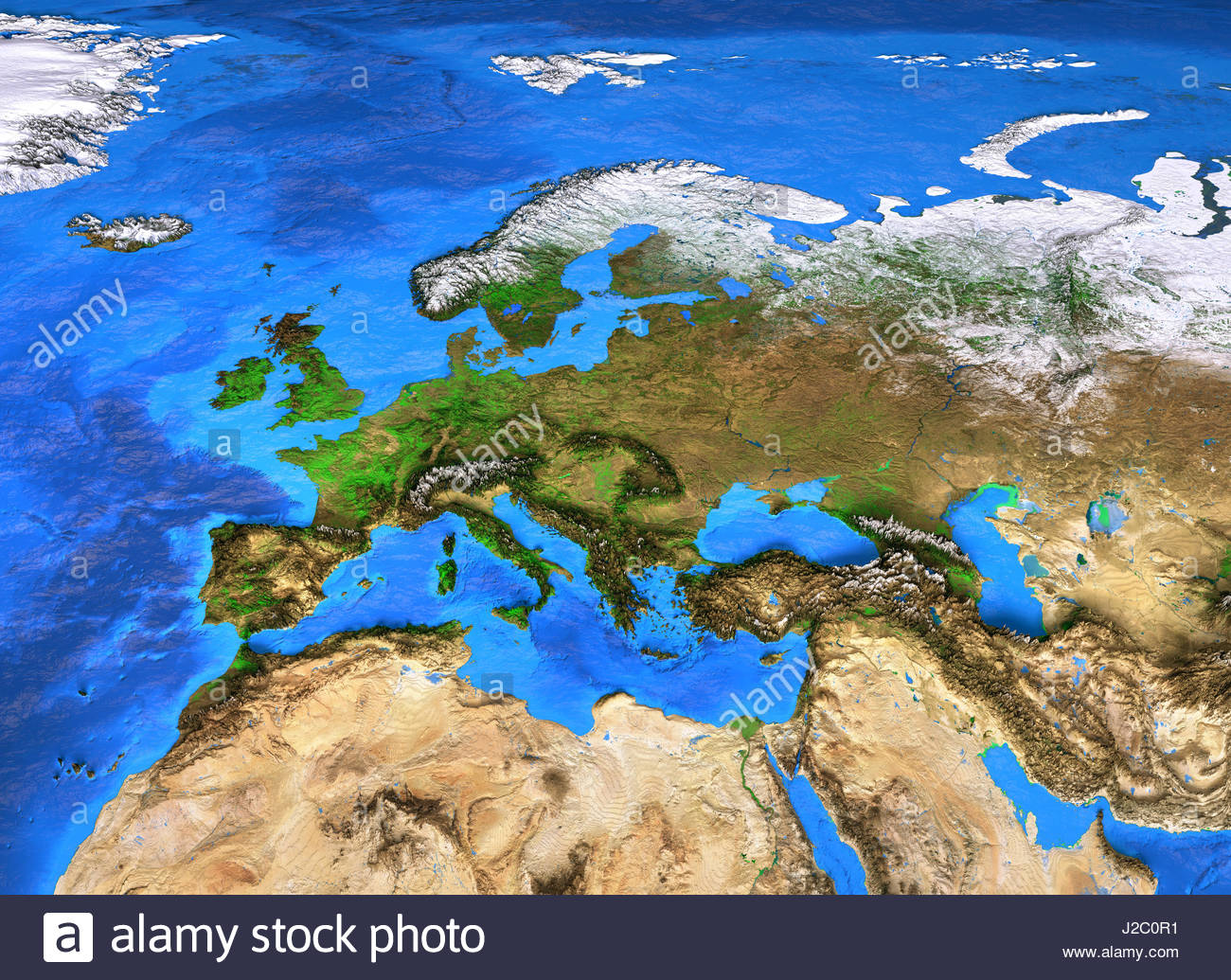
 2. Return of the Mediterranean(s)



 Future Economics